
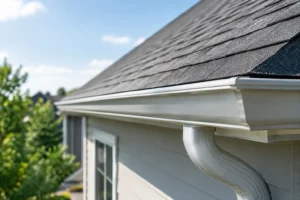
A gutter system can look fine from the ground while quietly putting a home at risk. Along the Grand Strand, a single tropical downpour can expose a clogged outlet, a loose corner, or gutters overwhelmed by pine needles and roof grit. Low maintenance gutter systems are designed to prevent those recurring problems by keeping water moving where it belongs: away from the roofline, siding, foundation, and landscaping.
For homeowners in Myrtle Beach, Conway, Murrells Inlet, Pawleys Island, and nearby coastal communities, low maintenance does not mean no attention ever. It means fewer cleanings, fewer ladder climbs, and a drainage system built to handle the local mix of heavy rain, humidity, wind-driven debris, and year-round tree coverage.
Why conventional gutters demand so much work
Open gutters are simple by design, but that simplicity creates a maintenance burden. Leaves collect in the trough, pine needles lodge at the downspout opening, and shingle grit settles into a dense layer that holds moisture. Once debris begins to trap water, even a modest storm can send it over the gutter edge.
Overflow is not merely a nuisance. Water repeatedly spilling near the roof edge can saturate fascia boards, stain siding, wash mulch out of beds, and erode soil around the foundation. In humid coastal areas, persistent moisture can also contribute to mildew, wood rot, and crawl-space moisture concerns.
Cleaning helps, but it is a temporary answer. A home beneath pine trees may need attention several times a year, while a vacation property can go months without anyone noticing a developing clog. The physical risk matters as well. Ladder work is one of the least convenient and most hazardous routine maintenance tasks for homeowners.
A better approach starts by treating gutters as part of the home’s water-management system, not as an afterthought. The goal is not simply to catch rainwater. It is to move it consistently through the gutter and downspout, even when debris is blowing across the roof.
What makes a gutter system low maintenance?
The most effective low-maintenance setup combines sound existing gutters, properly sized downspouts, secure hangers, sealed corners and end caps, and professional gutter protection. Each part has a job. A premium guard cannot correct a gutter that has pulled away from the fascia, and a clean trough will still overflow if water cannot reach or exit the downspout efficiently.
Micro-mesh keeps small debris out
Not all gutter guards offer the same level of protection. Large-hole screens may block bigger leaves but allow pine needles, roof granules, insects, and fine debris into the gutter. Those materials can eventually create the same clogs homeowners were trying to avoid.
Stainless-steel micro-mesh gutter protection is designed with much smaller openings. Water passes through the mesh and into the gutter while leaves, needles, and debris remain on top, where wind and normal drying conditions can help move them away. This approach is particularly valuable in the Carolinas, where long pine needles and frequent storm debris can defeat basic screens.
GutterGlove systems use stainless-steel micro-mesh and an elevated design intended to support water flow while keeping debris outside the gutter channel. Some configurations also include anti-microbial technology that helps discourage organic buildup on the guard surface. The practical outcome is a cleaner gutter interior and much less need for routine cleaning.
Professional installation protects water flow
A guard works only as well as its installation. If it sits at the wrong angle, is poorly secured, or is not matched to the roof edge and gutter profile, water can overshoot during a hard rain. Coastal storms do not leave much room for guesswork.
A professional inspection looks at roof pitch, shingle condition, gutter size, downspout placement, tree coverage, and visible drainage patterns. Installers can also identify sagging runs, leaking seams, damaged end caps, and improperly pitched sections before protection is added. Addressing those issues first prevents a homeowner from covering up an existing drainage problem.
The right system should be firmly attached, aligned with the roofline, and configured to guide water into the gutter rather than across it. That level of detail is why professionally installed protection generally performs more reliably than a one-size-fits-all product from a retail shelf.
The benefits homeowners notice first
The most immediate benefit is usually fewer gutter cleanings. Instead of scheduling multiple seasonal cleanouts or climbing a ladder after every major storm, homeowners have a protected system that is far less likely to fill with debris.
The larger value is prevention. When gutters stay clear, rainwater is less likely to spill over the edge or back up against the roofline. That can help protect fascia, soffits, siding, landscaping, and the soil around the foundation. For second-home and rental-property owners, it also reduces the worry that a simple clog will become an expensive surprise between visits.
Low-maintenance gutter protection can also reduce pest activity around standing water and wet organic debris. Birds, insects, and small animals are less likely to find a debris-filled gutter appealing when the gutter interior remains dry and clear.
Low maintenance is not the same as maintenance-free
This distinction matters. Even the best gutter protection should be checked periodically, especially after a tropical storm, a season of heavy pollen, or nearby tree trimming. Debris can collect in roof valleys, around chimneys, or on top of a guard, and downspout extensions may shift over time.
A brief visual inspection from the ground can reveal a lot. Watch for water spilling over the gutter during rain, staining on the exterior, sagging sections, or downspouts discharging too close to the foundation. If anything appears unusual, it is better to schedule an inspection than wait for the problem to grow.
Homeowners should also understand that no guard performs identically on every roof. Steep roofs, complex rooflines, unusually heavy tree cover, and concentrated valleys may require specific installation methods or additional drainage improvements. A reputable contractor explains those trade-offs plainly rather than promising that one product solves every condition without evaluation.
When gutter repair should come before protection
Installing gutter guards on damaged gutters is like putting a lid on a leaking container. Protection is most effective after the underlying system is structurally sound.
Before recommending a low-maintenance solution, a careful contractor should inspect for loose hangers, separated seams, corroded sections, missing end caps, damaged corners, and improper slope. They should also assess whether downspouts are large enough and positioned to move water away from the home.
Small repairs can make a major difference. Resealing a corner, restoring pitch, securing a sagging section, or correcting a poorly placed downspout can improve performance immediately. Once those essentials are addressed, micro-mesh protection helps keep the system operating with far less ongoing effort.
A practical choice for coastal Carolina homes
Homes in North and South Carolina face a different gutter challenge than homes in dry, low-debris regions. Rain can arrive fast and hard, while pine needles, oak leaves, seed pods, sand, and windblown material create persistent clogging pressure. Humidity adds another reason to prevent wet debris from sitting against the home.
That is why material quality and installation experience matter. Stainless steel resists corrosion better than lighter-duty materials, and a system designed for fine debris offers more meaningful protection than a coarse screen. A strong manufacturer-backed warranty also gives homeowners added confidence that the product is intended for long-term performance.
Clearwater Rain Gutters has served area homeowners since 2006 with professional inspections, gutter repair, and GutterGlove protection installations tailored to local roof and drainage conditions. A 40-year manufacturer-backed no-clog warranty can provide valuable reassurance, but the first step is still an honest assessment of the home’s existing gutter system.
If your gutters overflow during storms, require repeated cleaning, or leave you uneasy about climbing a ladder, request a free inspection and estimate. A well-designed gutter protection system can turn one of the home’s most repetitive maintenance chores into a far more dependable form of protection.
Leave a Reply
You must be logged in to post a comment.